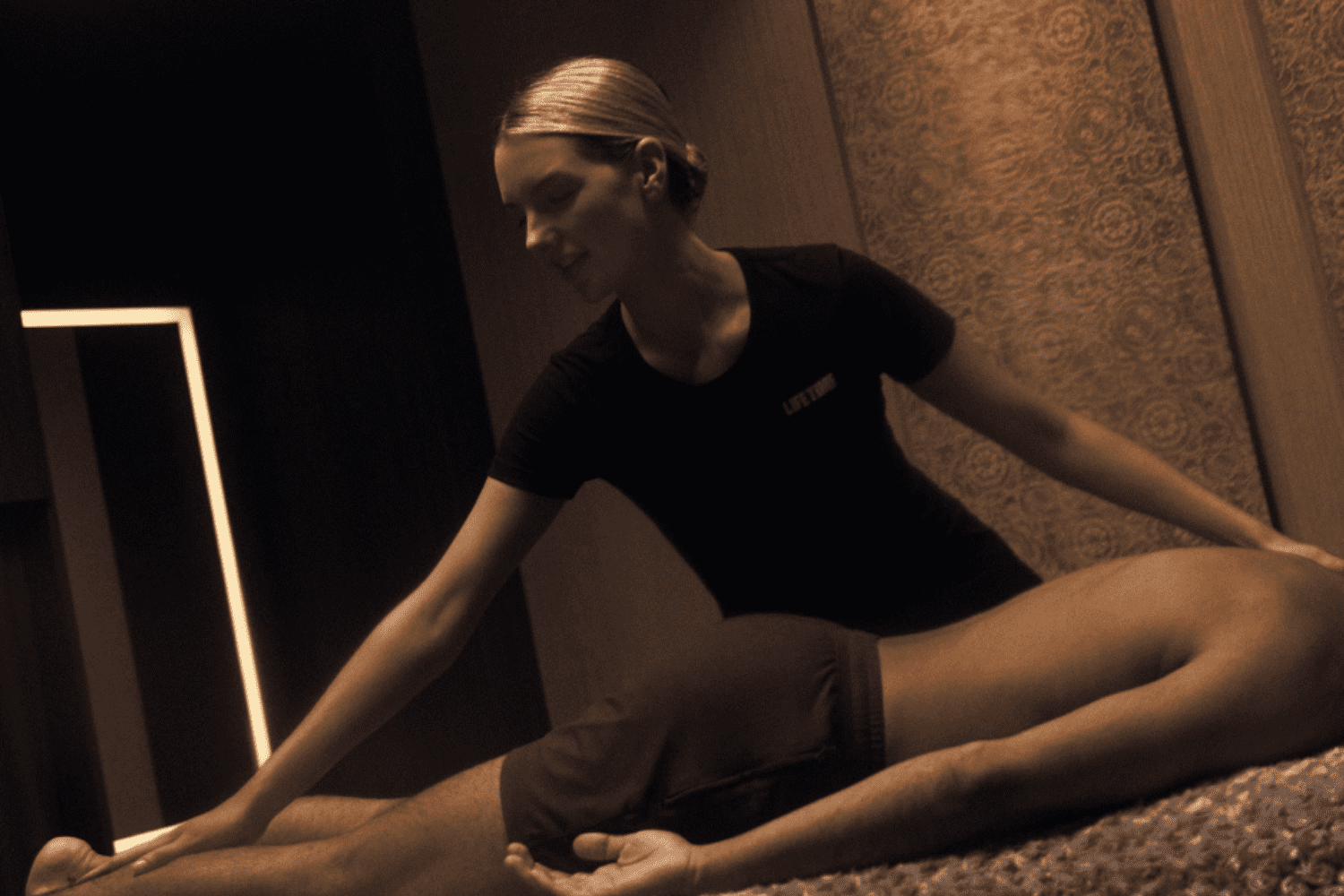
CLINICAL RECOVERY PROTOCOL
Corrective Movement Therapy Maryland
Tight hips, aching shoulders, back pain, or sciatica can keep returning. Corrective movement therapy sessions in Maryland at 410 Muscle Therapy look beyond the sore spot. We watch how you move. We identify tight patterns and help you build better habits for easier movement.
60 / 90 Mins
|Targeted Deep
|Movement Analysis
8 YrsClinical Experience
5.0 ★Google Reviews
100%Satisfaction Guarantee
5,000+Sessions Completed
FIX THE PATTERNS THAT KEEP PAIN RETURNING
Fix The Patterns That Keep Pain Returning.
SPECIALIST PRACTICE • EST. 2020
100% Tailored Therapy
Individualized Protocols
Corrective movement therapy in Maryland starts with a question: What keeps making this area work too hard? We look at mobility, stability, posture, soft-tissue restrictions, and movement habits. Then we pair bodywork with guided exercises that help your body share the load more comfortably.
01
Recurring Low Back Tightness
When the hips stay stiff, the lower back may do more work than you want. Trunk control can matter too. We use mobility drills, breathing techniques, and controlled movement exercises. For added flexibility work, Maryland stretch therapy may also support easier bending, lifting, and sitting.
02
Hips That Feel Stuck
Limited hip range of motion can change how you walk, squat, or climb stairs. Joint stiffness can add strain too. We use soft-tissue work, mobility exercises, and simple control drills. You practice moving with less compensation during daily activities.
03
Neck And Shoulder Strain
Long desk hours or repeated overhead work can overload the neck and shoulders. A stiff upper back can place additional strain on these areas. We work on upper-back mobility, shoulder-blade control, and tight tissue. The goal is to make reaching and turning feel more natural.
04
Sciatica-Related Movement Limits
Sciatica can have several causes. We do not guess or diagnose it. When motion feels limited, we focus on comfortable hip and trunk movement. We use nerve-friendly movement and promptly refer clients to an appropriate healthcare provider when warning signs appear.
05
Posture And Compensation Patterns
In corrective movement sessions, posture is not treated as one perfect pose. Bodies move throughout the day. We look for compensation patterns and practice balance, coordination, and joint control. This can support easier standing, walking, training, and daily tasks.
BOOK YOUR SESSION NOW
100% Satisfaction Guaranteed & Certified
WHY 410 MUSCLE THERAPY FEELS DIFFERENT
Targeted Care. Built Around You.
At 410 Muscle Therapy, our corrective movement therapy in Maryland is designed for people who want more than a feel-good hour. You get one-on-one care and clear explanations. Movement work is shaped around what your body can comfortably do. The goal is useful progress, not a rushed routine or generic adjustment.
01ADVANTAGE 01
Eight Years Of Experience
Eight years of professional experience guide every session. Skilled observation and hands-on work matter when pain has several contributors. We look at how tension and movement connect, and deep tissue massage Maryland may help when stubborn muscular tightness needs more focused attention.
CERTIFIED CARE
02ADVANTAGE 02
Five-Star Reputation
A 5.0 Google rating can give you added confidence before you book. Clients often mention knowledge, professionalism, targeted muscle work, and feeling better after sessions. Those reviews can help you understand the experience before you walk in. They also show why people return.
5.0 ★ RATED
03ADVANTAGE 03
Guaranteed Client Satisfaction
Your session is backed by a 100% Customer Satisfaction Guarantee. That promise keeps the focus on listening, comfort, and quality care. We explain what we are doing, invite feedback on pressure, and adjust the session when something does not feel right.
100% GUARANTEED
04ADVANTAGE 04
York Road Convenience
At 1301 York Rd., 8th Floor, Suite 48, in Timonium, we serve Lutherville and Cockeysville. We also see clients from Towson, Hunt Valley, and throughout Baltimore County. The York Road corridor makes visits convenient. People seeking corrective movement therapy in Maryland receive one-on-one care without the feel of a large chain.
TIMONIUM, MD
SESSION WORKFLOW PROTOCOL
What Your Corrective Movement Session
Looks Like.
Your corrective movement therapy visit follows a clear path: listen, observe, release, practice, and retest. We start with the movements that bother you most, then narrow the session to useful targets. You always know what we are working on and why.
01
15 MINTalk And Screen
First, we talk about what hurts and when it shows up. We ask which activities feel harder than they should. Your movement assessment in Timonium may include standing, walking, reaching, hinging, or squatting. That helps us see where motion feels guarded today.
STEP 01
02
30 MINRelease Restricted Tissue
Next, hands-on work focuses on tight areas, deep muscle knots, and tissue that feels stuck. When fascial restriction is limiting comfortable movement, myofascial release therapy Maryland may also support this work. Pressure stays matched to your feedback, and the aim is to ease guarding without forcing change.
STEP 02
03
30 MINPractice Better Patterns
Then the corrective movement session shifts from release to practice. You may work on breathing, hip control, shoulder mechanics, balance, or core stability. We use clear cues and choose manageable drills so the new range feels useful, repeatable, and connected to daily life.
STEP 03
04
15 MINRetest And Plan
Finally, we repeat the movement that mattered most and compare how it feels. Corrective movement training should give you practical next steps, not endless homework. You leave with drills to practice. You also know what changes to watch between sessions.
STEP 04
GET IN TOUCH
Ready To Begin Your Session?
INSTANT ONLINE BOOKING
BOOK ON STYLESEAT Book directly on StyleSeat portal
HIPAA Compliant & SecureAvg Response: 2 Hours
FAQ
Frequently Asked Questions
Everything you need to know about your session and our clinical approach.
Corrective movement therapy looks at how you move. We may watch simple tasks and basic exercises. Sessions can include mobility work, stability drills, soft-tissue work, and guided movement. This approach may suit active adults with recurring stiffness or inefficient movement habits. We do not diagnose injuries or replace medical rehabilitation.